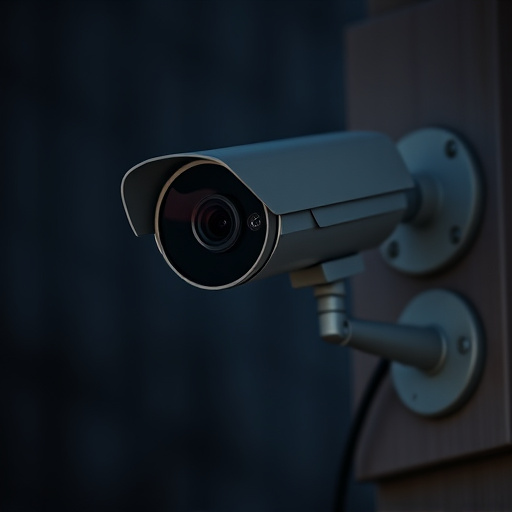
Placing realistic fake security cameras at strategic locations, like entry points and corners, deters intruders by mimicking authentic surveillance setups. These decoys replicate real camera features, textures, and mounting details for enhanced realism. Positioning them at eye level or elevated, combining diverse designs, and mounting on varied surfaces creates a convincing illusion of constant monitoring, increasing security and peace of mind.
Realistic security camera shells are a popular choice for deterring crime and adding a layer of security in various settings. This article explores the art of designing convincing fake cameras, focusing on strategic placement for optimal effectiveness. Learn how to choose the best fake security camera locations, incorporate authentic design elements, and employ clever placement techniques to create an effective—yet subtle—deterrent. Discover the secrets to creating a comprehensive security system that blends discretion with functionality.
- Choosing Realistic Camera Locations for Maximum Effect
- Design Elements: Mimicking Authentic Security Features
- Placement Strategies for Convincing Fake Cameras
Choosing Realistic Camera Locations for Maximum Effect
When designing a realistic security camera shell, placement is key. The best fake security camera locations mimic authentic surveillance setups, providing both visual and psychological deterrents. Strategically positioning these decoys in areas where real cameras might be expected—such as entry points, corners, and atop obstacles—creates the illusion of comprehensive monitoring. This tactic is particularly effective in deterring potential intruders, who are less likely to attempt a break-in if they believe they’re being watched.
Consider environments like retail stores, offices, or residential buildings. Mounting fake cameras on walls, ceilings, or even outdoor structures can create a comprehensive surveillance network. By blending seamlessly with real security gear and surroundings, these decoys maximize their impact, acting as a powerful deterrent against crime while adding an extra layer of safety to any premises.
Design Elements: Mimicking Authentic Security Features
When designing a realistic security camera shell, one key aspect is mimicking authentic security features found in best fake security camera locations. This involves incorporating subtle yet crucial details that blend seamlessly with genuine surveillance equipment. For instance, replicating the texture and shape of real cameras, including mounting brackets and cables, ensures the decoy looks convincing at first glance.
Additionally, advanced design elements like LED indicators that mimic the glow of an active camera, heat signatures to replicate the natural warmth of electronics, and even moving parts like adjustable lenses can significantly enhance realism. By focusing on these authentic security features, well-crafted fake cameras not only deter potential thieves but also contribute to a safer environment, providing peace of mind for homeowners and businesses alike.
Placement Strategies for Convincing Fake Cameras
To create a convincing illusion of enhanced security, strategically placing fake security cameras is key. The best locations for these decoys are areas where genuine surveillance equipment would typically be installed, such as entry points (doors and windows), corners, and high-traffic zones. This includes positioning them at eye level or slightly elevated to mimic real camera angles.
Combining this with a diverse range of designs – from bullet cameras to dome models – can further enhance realism. Mounting them on walls, ceilings, or even in fake security boxes or signs adds an extra layer of authenticity. Remember, the goal is to create an environment where potential intruders feel they’re constantly under watch, deterring malicious behavior.
When designing realistic security camera shells, strategic consideration of camera placement and authentic features is key. By choosing the best fake security camera locations, incorporating genuine design elements, and employing effective placement strategies, you can create a convincing visual deterrent. These tactics not only enhance physical security but also serve as a powerful psychological tool against potential threats.